
Sustainable Outdoor Gear Maintenance
Practical guides to repair, wash, waterproof, and reuse your outdoor gear — so it lasts longer and goes easier on the planet.
Our Guides
How to Repair a Down Jacket Tear
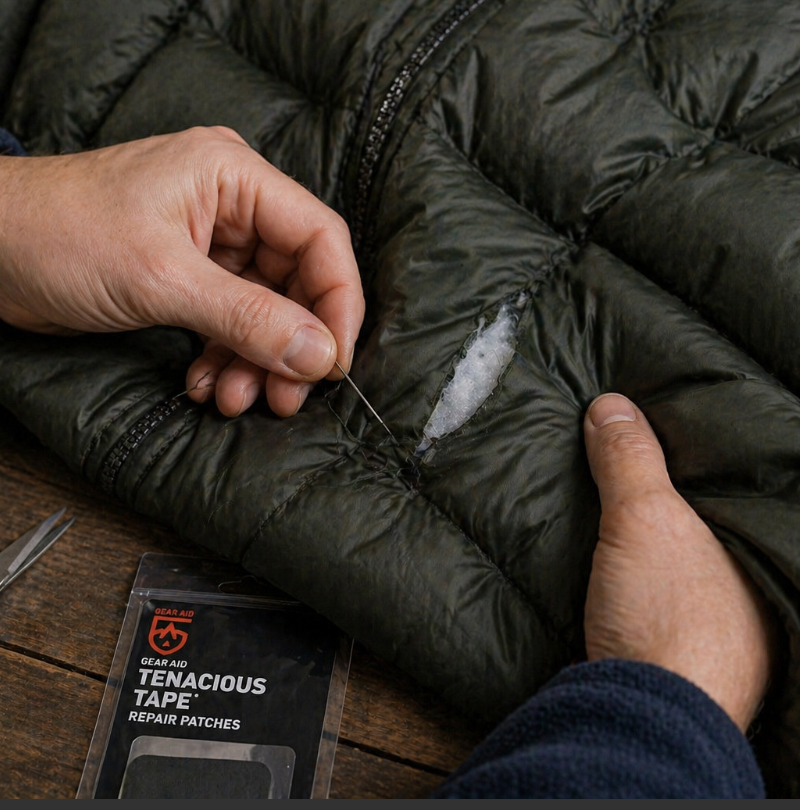
Learn simple ways to patch and repair torn down jackets so they last longer and stay functional outdoors.
Washing Recycled Polyester Fleece
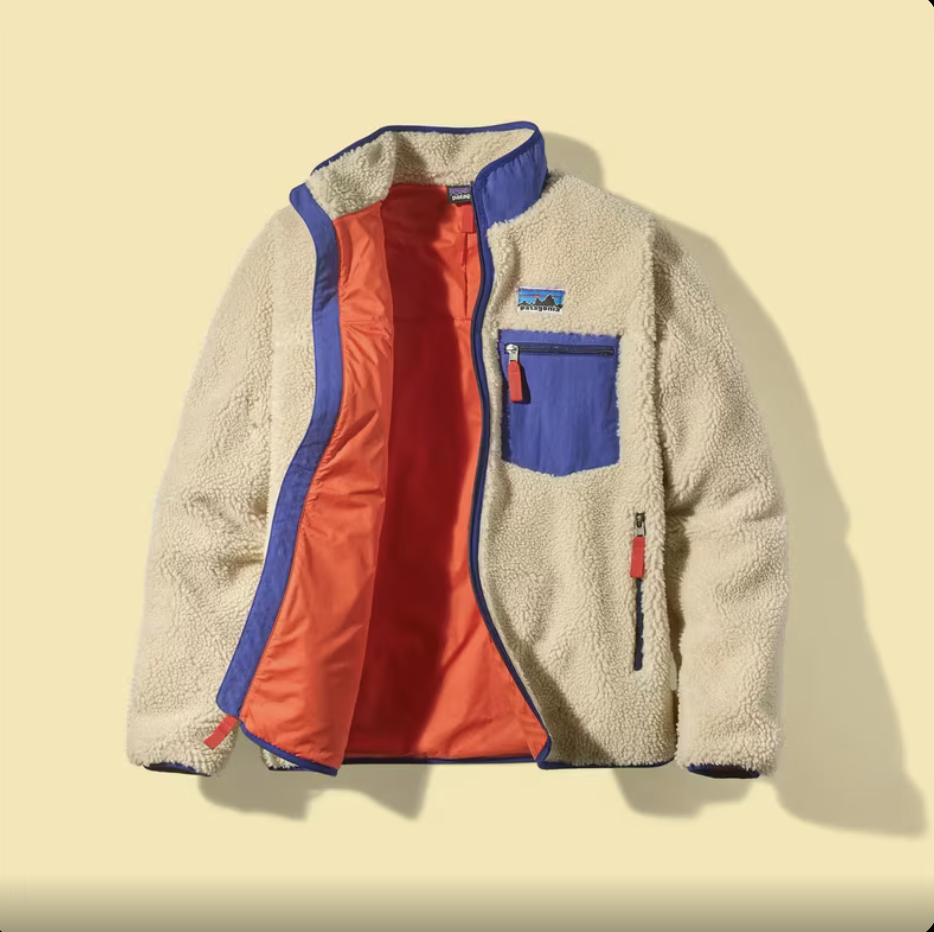
Find better ways to wash fleece and other technical fabrics while protecting performance and reducing environmental impact.
How to Fix a Stuck Waterproof Zipper
Understand common zipper problems and how to fix them before they damage your shell or jacket further.
Upcycling Old Gore-Tex shells
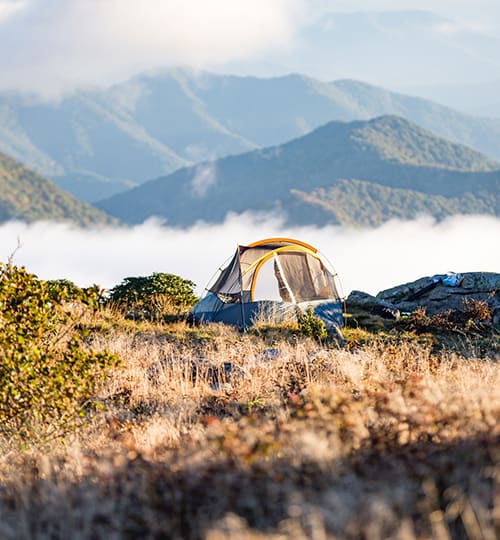
Discover creative ways to reuse worn outdoor shells instead of throwing them away before the material’s life is fully over.
Best Eco-Friendly Waterproof Spray

Compare more sustainable waterproofing options and learn how to restore water repellency on outdoor gear.
Guide to Trading In Used Outdoor Gear
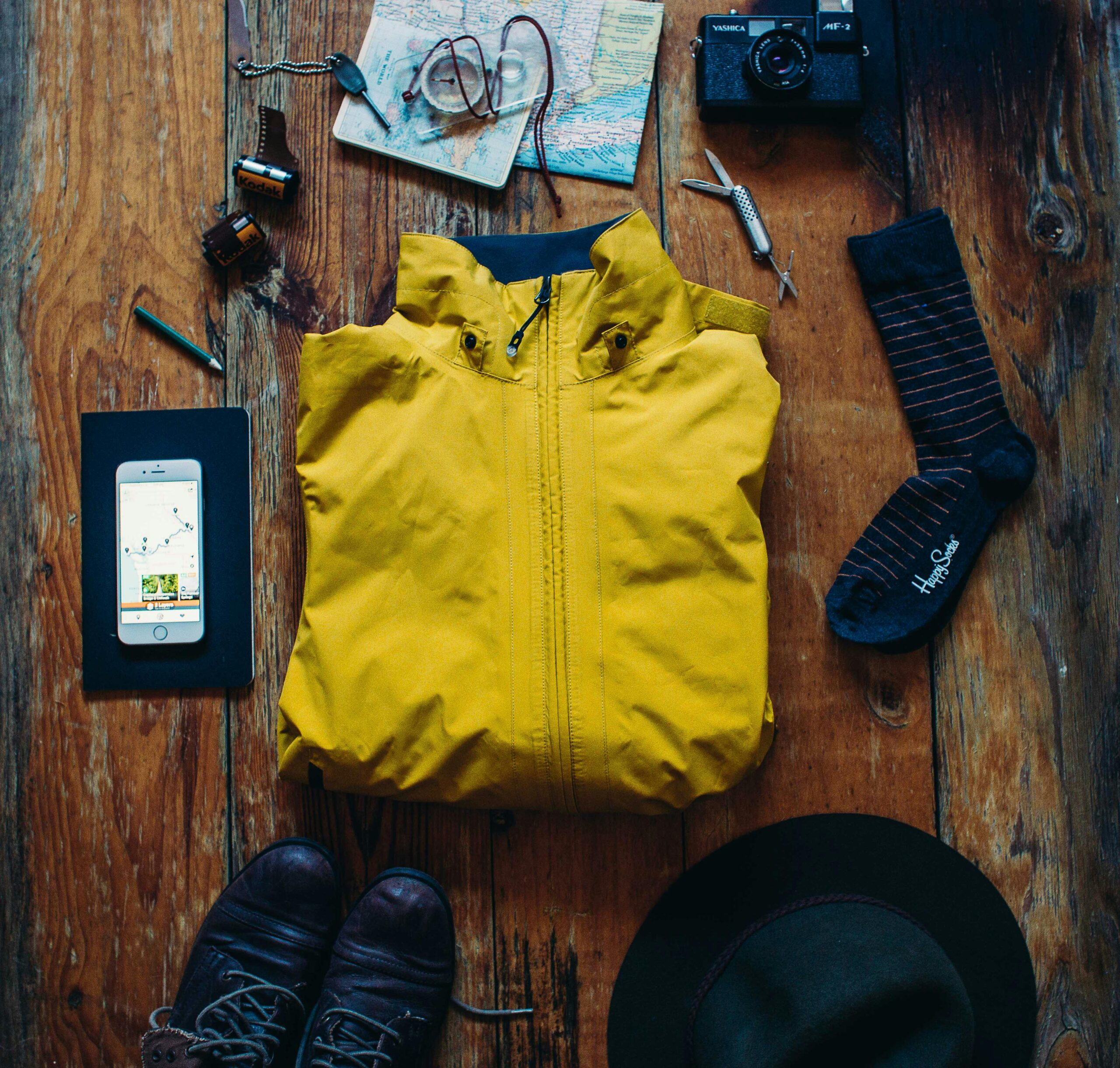
Explore how trade-in and reuse programs help extend product life and reduce waste from outdoor clothing.
Biodegradable Technical Fabric Detergent
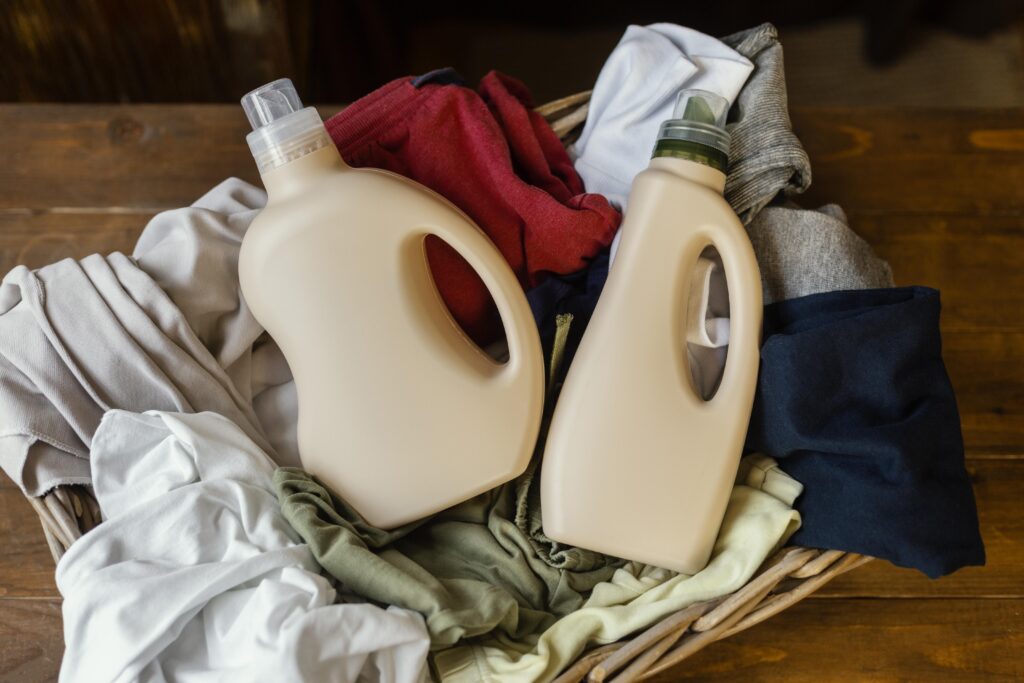
Learn what to look for in detergents made for technical gear and why product choice matters for sustainability.
Frequently Asked Questions
Wash technical fabrics with mild, fabric-safe detergent on a gentle cycle, restore DWR coatings before they fail completely, repair small tears and broken zippers early, and store gear clean and fully dry. Small, regular maintenance keeps performance high and pushes replacement years into the future.
Older DWR treatments often contain PFAS (“forever chemicals”) that persist in water and soil. Newer PFC-free DWR sprays are a much more sustainable choice and still restore water repellency on jackets, shells, and tents.
Wash recycled polyester fleece less often, use cold water on a gentle cycle, and put it inside a microfiber-catching bag (like a Guppyfriend) or install a washing machine filter. This drastically reduces the microplastic fibers released into wastewater.
Most small tears, broken zippers, and worn waterproof coatings can be repaired with patches, tape, or a re-treatment. Repairing first is almost always cheaper, lower-impact, and keeps gear in use longer than buying replacements.
Look for biodegradable formulas free of optical brighteners, fabric softeners, and phosphates. A good technical-fabric detergent cleans waterproof shells and insulated layers without breaking down DWR coatings or harming aquatic ecosystems.